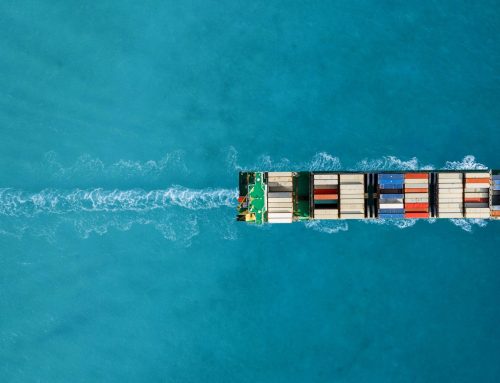
As global trade continues to navigate choppy waters, Importers are bracing themselves for another round of rate hikes. The pressure on space from China’s main ports has intensified, driven by extended transits resulting from the ongoing issues in the Red Sea. This confluence of factors is sending shockwaves through the shipping industry, raising concerns about supply chain disruptions and escalating costs.
The prolonged transit times caused by disruptions in the Red Sea have created a ripple effect, impacting shipping schedules and capacity utilization. Vessels are experiencing delays, leading to congestion at major Chinese ports such as Shanghai, Ningbo, and Shenzhen. As containers linger longer than anticipated, available space dwindles, prompting shipping lines to consider rate adjustments to manage demand and maintain profitability.
The situation in the Red Sea, exacerbated by geopolitical tensions and security threats, has forced ships to reroute or adopt precautionary measures, adding days or even weeks to their journey. This has significant implications for the flow of goods, particularly those traversing key trade routes between Asia, Europe, and the Middle East. With vessels spending more time at sea, container availability at Chinese ports becomes a pressing concern, driving up competition for limited space.
Rate hikes have become a recurring theme in the industry, reflecting the delicate balance between supply and demand. As carriers strive to optimize their networks and manage capacity constraints, freight rates are expected to climb further, posing challenges for importers and exporters alike.
In conclusion, the pressure on space from China’s main ports, exacerbated by extended transits due to issues in the Red Sea, is driving shipping lines to consider further rate hikes. This trend underscores the complex interplay of geopolitical, economic, and operational factors shaping the maritime industry. As stakeholders brace for continued uncertainty, proactive measures and strategic partnerships will be essential to weather the storm and keep global trade afloat.